Sun: The central star of our solar system.
Planets:
* Mercury: No natural satellites
* Venus: No natural satellites
* Earth: 1 natural satellite - Moon
* Mars: 2 natural satellites - Phobos and Deimos
* Jupiter: 79 known natural satellites, some notable ones are:
* Io, Europa, Ganymede, Callisto (Galilean moons)
* Amalthea, Himalia, Elara, Ananke, Carme, Pasiphae, Sinope
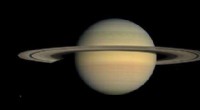
* Saturn: 82 known natural satellites, some notable ones are:
* Titan, Rhea, Iapetus, Dione, Tethys, Enceladus
* Mimas, Hyperion, Phoebe
* Uranus: 27 known natural satellites, some notable ones are:
* Titania, Oberon, Umbriel, Ariel, Miranda
* Neptune: 14 known natural satellites, some notable ones are:
* Triton, Nereid, Proteus, Larissa
Other Objects:
* Dwarf Planets:
* Ceres (in the asteroid belt)
* Pluto (in the Kuiper belt)
* Eris, Makemake, Haumea (in the scattered disc)
* Asteroids:
* Vesta, Pallas, Hygiea, Juno, Ceres (largest)
* Comets:
* Halley's Comet, Comet Hale-Bopp
* Kuiper Belt Objects:
* Pluto, Eris, Makemake, Haumea
* Oort Cloud: Hypothetical region of icy objects far beyond Pluto.
Note: This is a simplified overview. The number of natural satellites is constantly updated as new ones are discovered. There are also other objects in the Solar System like asteroids, comets, and dwarf planets.
For more detailed information about specific planets and their satellites, you can consult websites like NASA's Solar System Exploration website or the International Astronomical Union's website.