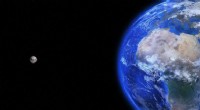
Planets and Moons:
* Planets: Reflect sunlight, giving them their visible appearance. The amount of light reflected depends on their surface composition and atmosphere. For example, Venus is very reflective due to its dense, cloudy atmosphere.
* Moons: Similar to planets, they reflect sunlight. Our moon appears bright because it's covered in reflective dust and rock.
Stars:
* Stars themselves *emit* light, not just reflect it. They create their own light through nuclear fusion in their cores.
Other Objects:
* Asteroids: These rocky bodies reflect sunlight, often with varying brightness depending on their composition and shape.
* Comets: Comets are icy bodies that reflect sunlight and also create their own glow as they release gas and dust.
* Nebulae: These clouds of gas and dust are often illuminated by nearby stars, reflecting and scattering their light.
* Interstellar Dust: Tiny particles of dust floating between stars can reflect and scatter starlight.
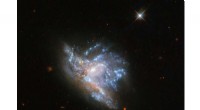
* Galaxies: Galaxies are composed of stars, gas, dust, and other objects, all of which contribute to their overall reflected light.
How Reflection Works:
* Scattering: Light bounces off the surface of an object in many different directions. This is common with planets and moons.
* Specular Reflection: Light bounces off a smooth surface in a predictable direction. This is seen with polished surfaces like mirrors.
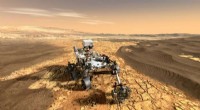
Important Note: While many objects in space reflect light, they often absorb some of it as well. This absorption affects the color we perceive them to be. For example, Mars appears red because it absorbs more blue light than red light.