Astronomy is no longer just about gazing at the stars. It's a rapidly evolving field with practical applications in various areas of modern life. Here are some modern uses of astronomy:
Space Exploration & Technology:
* Satellite Navigation: GPS, Galileo, and other navigation systems rely on precise measurements of time and position provided by satellites orbiting Earth. These measurements are directly tied to astronomical principles.
* Spacecraft Design & Engineering: Understanding the harsh environments of space, like radiation and extreme temperatures, is crucial for building reliable spacecraft. This knowledge comes from astronomical observations and research.
* Communication Networks: Satellites play a crucial role in global communication networks. Their orbits and functionality are determined using astronomical principles.
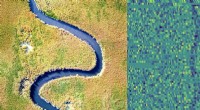
* Remote Sensing & Earth Observation: Satellites equipped with various sensors can monitor Earth's environment, track weather patterns, map natural resources, and even detect deforestation.
Other Fields:
* Climate Change Research: Studying the Sun's activity and its impact on Earth's climate helps us understand climate change and its effects.
* Resource Management: Astronomy helps us understand the composition of celestial bodies, leading to potential resource extraction in the future.
* Timekeeping: Atomic clocks, used for precise timekeeping, are based on the frequencies of atomic transitions, which are linked to astronomical observations.
* Medical Imaging & Treatment: Techniques like X-ray imaging and computed tomography (CT) are borrowed from astronomy, where they are used to study celestial objects.
* Education & Inspiration: Studying the universe inspires curiosity, sparks innovation, and promotes scientific literacy.
Current Research and Future Potential:
* Exoplanet Discovery: Finding and studying planets outside our solar system helps us understand the potential for life elsewhere and the evolution of planetary systems.
* Dark Matter & Dark Energy: Understanding the nature of these mysterious entities is crucial for understanding the universe's evolution and fate.
* Black Hole Research: Observing black holes provides insights into the extreme conditions of gravity and the fundamental laws of physics.
* Space Weather Forecasting: Predicting solar flares and other space weather events can protect satellites, power grids, and astronauts.
Beyond these examples, astronomy continues to drive innovation in various fields through its unique perspective and scientific discoveries. It's a powerful tool for understanding our place in the universe and unlocking the secrets of the cosmos.