* Immense Distance: The vast majority of stars are incredibly far away from us. Even the closest stars are light-years away, meaning it takes light, which travels at the fastest speed known, years to reach us from them. The further away an object is, the smaller it appears.
* Intrinsic Size: While some stars are much larger than our Sun, most stars are actually quite small compared to the distances involved.
* Atmospheric Distortion: Our atmosphere can cause starlight to scatter and blur, making stars appear smaller and less defined.
Think of it like this: Imagine a tiny grain of sand on a beach. That grain of sand represents a star. Now imagine the beach stretches for miles and miles. The grain of sand would appear incredibly small from a distance, much like stars do.
However, it's important to remember that some stars are actually gigantic:
* Red Giants: These stars are much larger than our Sun, and they appear slightly larger in the sky than average stars.
* Supergiants: These are the absolute behemoths of the star world. They can be hundreds of times larger than our Sun, but even they appear small due to their immense distances.
Technology helps us see them better:
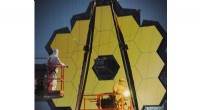
* Telescopes: Telescopes gather more light and magnify the image of distant objects, allowing us to see more details and appreciate the true size and brilliance of stars.
* Space Telescopes: Telescopes in space, like Hubble, are above our atmosphere and can capture incredibly clear images of stars and galaxies, revealing their true beauty and size.