Here's a breakdown:
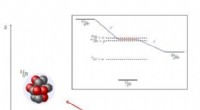
* Fusion: Stars are massive enough that the immense gravity creates incredible pressure and heat in their core. This extreme environment allows hydrogen nuclei (protons) to overcome their electrostatic repulsion and fuse together.
* Hydrogen to Helium: This fusion process combines four hydrogen nuclei into one helium nucleus, releasing a tremendous amount of energy in the form of light and heat.
* Energy Source: This energy is what makes stars shine and creates the outward pressure that balances the inward pull of gravity.
* Exceptions: Brown dwarfs are objects that are too small to sustain hydrogen fusion. Instead, they may fuse deuterium (a heavier isotope of hydrogen) or lithium.
So, while the smallest stars might not fuse hydrogen, the majority of stars, including our Sun, do. This process is fundamental to stellar evolution and the energy that powers the universe.