* Giant clouds of gas and dust: Nebulas are vast, interstellar clouds composed primarily of hydrogen and helium, along with smaller amounts of heavier elements. These clouds are incredibly cold and diffuse, but they contain the raw materials needed to form stars.
* Gravity's role: Over time, gravity starts pulling these clouds together. As the cloud collapses, it becomes denser and hotter.
* Nuclear fusion ignition: Eventually, the core of the collapsing nebula becomes so dense and hot that nuclear fusion ignites. This is the point where the protostar (a star in formation) becomes a true star.
* Stellar birth: The intense energy released by nuclear fusion pushes back against gravity, creating a stable star. The remaining gas and dust in the nebula may then form planets, moons, and other objects around the newborn star.
Types of Nebulas:
* Diffuse Nebulas: These are large, extended clouds of gas and dust.
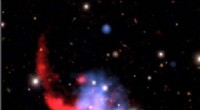
* Emission Nebulas: They are heated by nearby stars and emit light. The Orion Nebula is a famous example.
* Reflection Nebulas: They reflect the light from nearby stars.
* Dark Nebulas: They are so dense that they block the light from stars behind them.
So, in short, nebulas are like cosmic nurseries where new stars are born. They provide the raw materials and the gravitational force needed to ignite nuclear fusion, marking the beginning of a star's life.