* Human eyes: Our eyes are designed to see color in the visible light spectrum. This is a tiny sliver of the entire electromagnetic spectrum.
* Space: Space is filled with light from stars, planets, galaxies, and nebulae. Some of this light falls within the visible spectrum, but much of it does not.
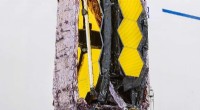
* Telescopes: Telescopes can detect a much wider range of light, including infrared, ultraviolet, and X-rays. This allows us to "see" things in space that are invisible to our naked eyes.
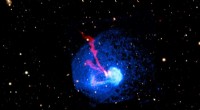
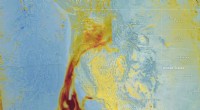
* False color: The images you see from telescopes often use "false color" to represent the different wavelengths of light. These colors are assigned by scientists to make the data easier to understand.
* Real color: Even though we can't see most of the light in space with our eyes, it's still there. A nebula might emit light that is predominantly ultraviolet, but we can't see it as ultraviolet.
So, to answer your question:
* We don't see the "true" color of objects in space with our eyes.
* Telescopes and their data analysis allow us to "see" and interpret the colors of space in ways that are impossible for the naked eye.
It's important to remember that those vibrant colors we see in space images are often representations, not necessarily what we would see if we were there.