1. No Atmosphere: The ISS orbits above Earth's atmosphere, which means there's no scattering or absorption of sunlight like we experience on the ground. This means the light is:
* Brighter: The sun appears much brighter from space, with no atmospheric haze to dim it.
* Sharper: The edges of shadows are much more defined due to the lack of atmospheric scattering.
2. Constant Sunlight: The ISS orbits Earth every 90 minutes, experiencing 16 sunrises and sunsets each day. However, the station remains in constant sunlight for about half of each orbit. This means the astronauts are exposed to sunlight for extended periods.
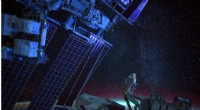
3. Solar Panels: The ISS is equipped with huge solar panels that capture sunlight to generate electricity for the station's operations. This electricity powers the life support systems, communication systems, and experiments.
4. Sunshades and Windows: The ISS has sunshades that can be deployed to protect astronauts from direct sunlight and prevent the interior from overheating. The windows have special coatings that filter out harmful ultraviolet radiation.
5. Earthshine: Even when the ISS is in Earth's shadow, astronauts can see the sun's reflected light from the Earth's surface, giving them a soft, diffused glow. This is known as Earthshine.
In summary, sunlight reaches astronauts on the ISS directly from the sun, with no atmospheric interference. It's bright, sharp, and constant during most of the orbit, and the ISS is equipped with systems to manage the light and its effects.