Understanding the Abstract
An abstract is a concise summary of a project or research paper. It should give the reader a quick understanding of:
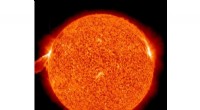
* The subject: What is the model about? (In this case, a 3D representation of the Sun)
* The purpose: Why was the model created? What are its intended uses?
* The approach: What methods were used to create the model? (Software, data sources, etc.)
* Key findings: What are the most important aspects or features of the model?
* Significance: Why is this model important or valuable?
Example Abstract Structure:
Here's a general outline for your abstract:
1. Introduction: Briefly introduce the Sun and its importance in our solar system.
2. Model Description: Describe the 3D model's characteristics (e.g., software used, level of detail, any special features).
3. Purpose: Explain the reason for creating the model (e.g., educational purposes, scientific research, artistic representation).
4. Key Features: Highlight the most notable aspects of the model (e.g., realistic surface features, accurate solar flares, interactive elements).
5. Significance: State the model's impact or potential applications (e.g., improving understanding of the Sun, enhancing educational experiences).
Example Abstract:
"This abstract presents a 3D model of the Sun, meticulously crafted using advanced software and scientific data. The model aims to provide a realistic and engaging representation of our star, serving both educational and research purposes. Key features include detailed surface textures, accurate depictions of solar flares, and interactive elements that allow users to explore the Sun's interior. The model's high fidelity and interactive nature make it a valuable tool for enhancing understanding of solar phenomena and fostering a deeper appreciation for our celestial neighbor."
Tips:
* Be concise: Keep the abstract to 150-250 words.
* Use clear and concise language: Avoid jargon unless essential.
* Focus on the key points: Highlight the most important aspects of the model.
* Proofread carefully: Ensure your abstract is free of errors.
Additional Considerations:
* Target Audience: Who is your abstract intended for? (e.g., scientists, educators, general public)
* Specific Purpose: What specific purpose does the model serve? (e.g., educational tool, research tool, visualization tool)
Remember, an abstract is a vital first impression of your 3D Sun model, so make it compelling and informative.