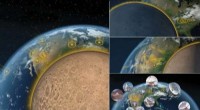
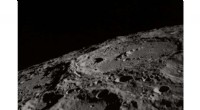
* The Moon's Gravity: The Moon is the primary driver of tides. It's closer to Earth than the Sun, and its gravitational pull on Earth's water is stronger. This pull creates a bulge of water on the side of Earth facing the Moon, and another bulge on the opposite side.
* The Sun's Influence: The Sun, despite being much farther away, still has a significant gravitational effect on Earth. It contributes to the tidal bulges, making them more pronounced when the Sun, Moon, and Earth are aligned (during new and full moons).
* Combined Effect: When the Sun and Moon are aligned, their gravitational forces reinforce each other, leading to spring tides – exceptionally high tides and low tides.
* Opposing Effect: When the Sun and Moon are at right angles to each other (during quarter moons), their gravitational forces partially cancel each other out, leading to neap tides – less extreme differences between high and low tides.
In summary:
* The gravitational forces of the Sun and Moon don't simply "combine" into a single force.
* Their individual gravitational pulls on Earth's water interact, resulting in either a strengthened (spring tides) or weakened (neap tides) effect.
This interplay of gravitational forces is a fascinating example of how celestial bodies influence each other and create observable phenomena on Earth.