1. Nuclear Physics and Stellar Evolution Models:
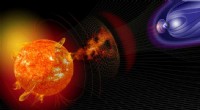
* Solar Fusion: The Sun generates energy through nuclear fusion, converting hydrogen into helium. The rate of this fusion is predictable based on the Sun's mass and composition.
* Stellar Evolution: We understand how stars evolve over their lifespans. Based on the Sun's current stage (main sequence star), its mass, and its luminosity, we can estimate how long it has been fusing hydrogen and how much longer it has left.
* Solar Neutrinos: The fusion process also produces neutrinos, which are extremely difficult to detect but provide direct evidence of the Sun's internal workings. Studying their flux gives us insights into the Sun's age and internal processes.
2. Studying Other Stars:
* Star Clusters: Stars in clusters are born at roughly the same time. By observing the evolution of stars in clusters, we can compare the Sun's properties to those of other stars at different stages of their lives. This helps us calibrate our understanding of stellar evolution and refine our age estimates for the Sun.
3. Radioactive Dating of Meteorites:
* Primitive Meteorites: These meteorites formed from the same material that created the Sun and planets. Radioactive dating of these meteorites, especially those rich in lead isotopes, helps us determine the age of the solar system, which is assumed to be the same as the Sun's age.
The Estimated Age:
By combining these different methods, scientists have determined that the Sun is approximately 4.603 billion years old. This age is remarkably consistent across different studies and is considered a very reliable estimate.
Note: While we have a good understanding of the Sun's age, it's important to remember that these methods rely on models and assumptions. Continued research and observations can refine our knowledge and provide even more precise estimates in the future.