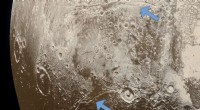
* Composition: The minerals and elements making up the moon's surface determine its base color. For example, a moon with a lot of iron might appear reddish, while one rich in titanium oxide could be gray.
* Sunlight: Sunlight is the primary source of light for moons. The way the surface reflects and absorbs different wavelengths of light influences its apparent color.
* Atmosphere: If a moon has an atmosphere, it can scatter or filter sunlight, affecting the color we see.
* Dust and Ice: Dust and ice on the surface can also contribute to the color.
Here are some examples of different moon colors:
* Earth's Moon: Appears gray due to a mixture of minerals and dust.
* Jupiter's Moon Io: Known for its volcanic activity, Io appears yellowish due to sulfur compounds.
* Saturn's Moon Titan: Has a hazy, orange atmosphere due to methane.
* Neptune's Moon Triton: A pinkish-red color due to nitrogen frost and a thin atmosphere.
It's important to remember that these are just general observations. The actual color can vary depending on the viewing angle, lighting conditions, and even the observer's perception.