Inner Planets (Terrestrial Planets)
1. Mercury: The smallest and closest planet to the Sun.
2. Venus: The hottest planet in our solar system.
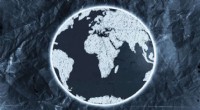
3. Earth: Our home planet.
4. Mars: The "Red Planet" known for its reddish appearance.
Outer Planets (Gas Giants)
1. Jupiter: The largest planet in our solar system, a gas giant.
2. Saturn: Known for its prominent ring system.
3. Uranus: An ice giant with a tilted axis.
4. Neptune: The farthest planet from the Sun, another ice giant.
Dwarf Planets
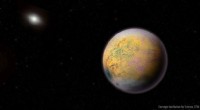
1. Pluto: Formerly considered the ninth planet, now classified as a dwarf planet.
2. Eris: The largest dwarf planet known.
3. Ceres: The largest object in the asteroid belt.
4. Makemake: A dwarf planet in the Kuiper Belt.
5. Haumea: An elongated dwarf planet in the Kuiper Belt.
Note: This order represents the planets' average distances from the Sun, but their orbits are not perfectly circular.