1. Agriculture: The Sumerians were primarily an agricultural society. They relied on the changing seasons for planting and harvesting. Observing the stars and planets allowed them to:
* Predict the timing of floods: The annual flooding of the Tigris and Euphrates Rivers was essential for their agriculture. By observing the celestial bodies, they could anticipate when the floods would occur.
* Determine the best times for planting and harvesting: They learned to associate specific constellations with the changing seasons, allowing them to plant crops at the optimal time.
2. Religious Beliefs: The Sumerians believed that the stars and planets were divine beings, and they attributed the events on Earth to the will of these celestial bodies. Observing them was crucial for:
* Understanding the will of the gods: By tracking their movements, the Sumerians believed they could decipher messages and predict the gods' intentions.
* Planning religious ceremonies: Many festivals and rituals were timed according to the position of the stars and planets.
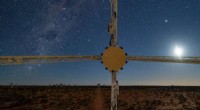
3. Navigation: While their travels were primarily within Mesopotamia, the Sumerians were seafaring people to some extent. Navigating by the stars was a crucial skill for seafaring.
4. Timekeeping: The Sumerians developed a system of timekeeping based on the lunar cycle, but they also refined a solar calendar to track the seasons more accurately. This calendar, consisting of 12 lunar months, was later adopted by many civilizations.
5. Record Keeping: The Sumerians developed a writing system (cuneiform) and used it to record their observations of the stars and planets. These records allowed them to track celestial movements over time and make more accurate predictions.
In summary, the Sumerians developed a complex understanding of celestial phenomena because of their reliance on agriculture, their religious beliefs, and the need for navigation and timekeeping. Their observations laid the foundation for astronomy as a scientific discipline and influenced the development of calendars in many subsequent civilizations.