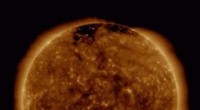
* Gravity: The Sun's immense gravity pulls on the Earth, keeping it in orbit.
* Earth's Velocity: The Earth is moving at a high speed (approximately 30 km/s) in its orbit. This velocity is just enough to counterbalance the Sun's gravitational pull and prevent the Earth from falling into the Sun.
* Earth's Orbital Path: The Earth's orbit is not perfectly circular but slightly elliptical. This means that the Earth's distance from the Sun varies slightly throughout the year. This variation in distance affects the Earth's speed in its orbit – it moves faster when it's closer to the Sun and slower when it's farther away.
Here's a simplified explanation:
Imagine throwing a ball horizontally. The ball will travel in a curved path and eventually fall back to the ground. Now, imagine throwing the ball harder. The ball will travel further before falling. If you could throw the ball fast enough, it would continue traveling in a circle around the Earth, never falling back to the ground. This is similar to how the Earth orbits the Sun.
The Earth's speed is just right to keep it in orbit around the Sun. It's constantly falling towards the Sun but its forward velocity keeps it from actually hitting it. This is why it takes approximately 365.25 days for the Earth to complete one full revolution around the Sun.
Note: The Earth's slightly elliptical orbit is the reason we have different seasons throughout the year. When the Earth is closer to the Sun (perihelion), it's summer in the Northern Hemisphere. When the Earth is farther away from the Sun (aphelion), it's winter in the Northern Hemisphere.