* Asteroids: These are rocky bodies that orbit the Sun, mostly found in the asteroid belt between Mars and Jupiter. They come in a wide range of sizes, but are generally smaller than moons.
* Comets: These are icy bodies that orbit the Sun, often leaving a trail of gas and dust as they approach it. They can vary in size, but are generally smaller than asteroids.
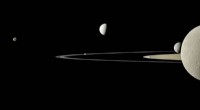
* Moons: These are natural satellites that orbit planets. They come in a variety of sizes, ranging from tiny moonlets to large, planet-like objects like Ganymede (Jupiter's moon).
* Planets: These are large celestial bodies that orbit stars. They are much larger than moons and are often much larger than asteroids and comets.
In summary:
* Comets are generally the smallest.
* Asteroids are larger than comets, but smaller than moons.
* Moons are larger than asteroids and comets, but smaller than planets.
* Planets are the largest.