Here's a breakdown:
* The Moon doesn't produce its own light. It's a large, rocky body in space.
* The Sun is the source of light. The Sun emits a tremendous amount of light and heat.
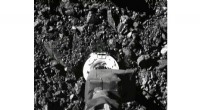
* The Moon's surface is covered in a dusty, grayish material called regolith. This material is very good at reflecting light.
* When sunlight hits the Moon, it bounces off the regolith and travels towards Earth. This reflected light is what we see as moonlight.
The Moon appears brightest when it's full because the entire sunlit side of the Moon is facing Earth. As the Moon orbits Earth, the amount of sunlight reflected back to us changes, causing the different phases of the Moon we observe.