Key Factors Influencing a Planet's Day Length:
* Rotation Rate: This is the most fundamental factor. A planet's day is the time it takes to complete one full rotation on its axis. Faster rotation = shorter day.
* Orbital Period: A planet's year (the time it takes to orbit its star) doesn't directly affect its day length, but it can play a role in how the day is defined.
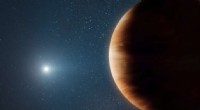
* Tidal Locking: Some planets are tidally locked to their stars, meaning they always show the same face to the star. This results in a day length equal to the orbital period.
Common Misconceptions:
* Size Doesn't Dictate Day Length: A planet's size isn't a direct indicator of its day length. Giant planets can rotate faster than smaller ones.
* Distance from the Star: A planet's distance from its star doesn't affect its day length.
Examples:
* Earth: 24 hours (approximately)
* Mars: 24.6 hours (slightly longer than Earth)
* Venus: 243 Earth days (Venus rotates very slowly in the opposite direction of its orbit)
* Jupiter: 9.9 hours (rotates very quickly)
* Mercury: 59 Earth days (tidally locked, with one day equaling one year)
In Summary:
A planet's day length is primarily determined by its rate of rotation. Other factors like tidal locking can also play a significant role.