* Sunlight: The reason we see a blue sky during the day is because sunlight is scattered by the Earth's atmosphere. This scattering, called Rayleigh scattering, is most effective at shorter wavelengths, which is why we see blue light.
* No Sun, No Scatter: At night, the Sun is on the other side of the Earth, so its light doesn't reach us directly. Without sunlight, there's nothing to scatter and make the sky appear bright.
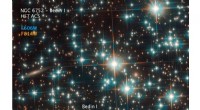
* Stars: The stars are still shining, but they are much fainter than the Sun. We can see them at night because the Sun's light isn't overpowering their light.
Why isn't the night sky completely black?
While it seems like the night sky should be completely black, there are some faint sources of light that contribute to its slight brightness:
* Airglow: The Earth's upper atmosphere emits a very faint glow, called airglow, due to interactions between atoms and molecules.
* Zodiacal light: This faint, pyramid-shaped light is caused by sunlight reflecting off dust particles in the solar system.
* Light pollution: In areas with artificial lighting, the sky can appear brighter due to light scattering off dust and other particles in the atmosphere.
In short, the darkness of the night sky is a result of the absence of sunlight, which is the primary source of light that makes the daytime sky appear bright.