Here's why:
* Planetary Motion: Planets orbit the sun, and their positions in the sky change over time. This means that which planet is visible in the evening sky will vary depending on the time of year.
* Visibility: The brightness and visibility of planets also vary. Some planets are intrinsically brighter than others, and their visibility can be affected by factors like the angle of the sun and the presence of clouds.
Common evening planets:
* Venus: Often called the "evening star," Venus is the brightest planet and is commonly visible in the evening sky.
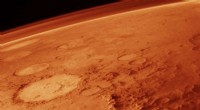
* Mars: The red planet is also visible in the evening sky at certain times of the year.
* Jupiter: The largest planet in our solar system, Jupiter is usually visible in the evening sky for extended periods.
* Saturn: The planet with rings is also often visible in the evening sky, though it is less bright than Jupiter.
To know which planet is visible in the evening sky:
* Use a stargazing app: Apps like Star Walk 2 or SkySafari can show you the current position of planets in the sky.
* Check online resources: Many websites and astronomy blogs provide information on planet visibility.
So, the next time someone asks about the "evening planet," remember that it can be any planet that is visible after sunset, and you can use these resources to find out which one it is!