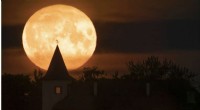
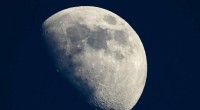
The Moon, on the other hand, does not produce its own light. It reflects the light of the Sun, making it appear luminous to us.
Here's a breakdown of the key differences:
Sun:
* Star: Yes
* Light source: Produces its own light
* Heat source: Produces its own heat
* Composition: Mostly hydrogen and helium
* Energy source: Nuclear fusion
Moon:
* Star: No
* Light source: Reflects sunlight
* Heat source: No intrinsic heat, gets warm from sunlight
* Composition: Mostly rock and dust
* Energy source: None, relies on external energy from the Sun
In short, the Sun is a giant ball of hot gas that generates its own energy, while the Moon is a rocky body that shines only by reflecting sunlight.