Composition:
* Both have a thin atmosphere compared to other planets. Earth's atmosphere is about 100 km thick, while Mars' is around 11 km thick.
* Both have a primary component of carbon dioxide (CO2). On Earth, CO2 accounts for about 0.04% of the atmosphere, while on Mars, it makes up a whopping 95%.
* Both have small amounts of nitrogen (N2). On Earth, nitrogen makes up about 78% of the atmosphere, while on Mars, it's around 2.7%.
* Both have trace amounts of other gases like argon, oxygen, and water vapor.
Dynamic Processes:
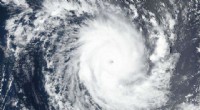
* Both experience weather patterns, including winds, storms, and dust devils. However, Mars' atmosphere is much thinner and colder, leading to weaker winds and less dramatic weather events.
* Both have seasons due to their axial tilt. However, Mars' year is twice as long as Earth's, and its seasons are more extreme.
* Both have a "greenhouse effect," where certain gases trap heat in the atmosphere. This effect is much weaker on Mars due to its thinner atmosphere.
However, there are significant differences:
* Earth's atmosphere is much denser and contains much more oxygen. This allows for life to thrive on Earth.
* Mars' atmosphere is very thin and cold, and it lacks a significant magnetic field. This makes the surface of Mars vulnerable to solar radiation and has prevented the formation of liquid water.
Overall:
While there are similarities in the basic composition and dynamic processes of Earth and Mars' atmospheres, they are fundamentally different in density, composition, and ability to support life. This makes Mars a far more challenging environment for humans to explore and potentially colonize.