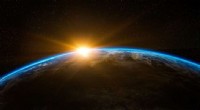
* Earth's atmosphere is constantly in motion: The air is constantly swirling, with pockets of warm and cold air moving around.
* Light bends: When light passes from one medium to another (like from the vacuum of space to the air), it bends. This bending is called refraction.
* Different densities cause different bending: The amount light bends depends on the density of the air it's passing through. Hot air is less dense than cold air, so light bends differently as it travels through these pockets of varying temperatures.
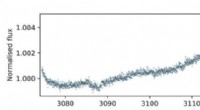
* The "twinkle" effect: As light from a star passes through the constantly moving air, it gets refracted in different directions. This causes the star's image to appear to flicker and change brightness, creating the twinkling effect.
Think of it like this: Imagine shining a laser pointer through a glass of water. The light beam will appear to wiggle and dance because the water is constantly moving and changing the direction of the light.
Why planets don't twinkle: Planets are much closer to Earth than stars, so their light appears as a larger disk. This means that the different refractions of light across the planet's surface average out, and the twinkling effect is less noticeable.
Let me know if you have any other questions!