* Sunspot Number: This is the most fundamental measure of solar activity. Sunspots are cooler, darker regions on the Sun's surface, and their number fluctuates with the solar cycle. The number of sunspots peaks during solar maximum and reaches a minimum during solar minimum.
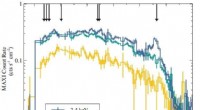
* Solar Flares: These are sudden, intense bursts of energy from the Sun's surface. They can emit radiation across the electromagnetic spectrum, from radio waves to gamma rays. Solar flares are most common during solar maximum.
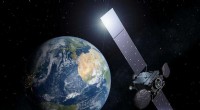
* Coronal Mass Ejections (CMEs): These are massive bursts of plasma and magnetic field from the Sun's corona. CMEs can travel at high speeds and can reach Earth in a few days. They can cause geomagnetic storms, which can disrupt radio communications, power grids, and satellite navigation.
* Solar Wind: The Sun constantly releases a stream of charged particles called the solar wind. The solar wind's intensity and speed fluctuate with the solar cycle, becoming stronger and faster during solar maximum.
* Aurora Borealis/Australis: The auroras are colorful displays of light in the sky, caused by charged particles from the Sun interacting with Earth's atmosphere. They are most vibrant and frequent during periods of high solar activity.
These phenomena are easily observable, either directly through telescopes and space-based instruments or indirectly through their effects on Earth.