Here's a breakdown:
Elements of Celestial Imagery:
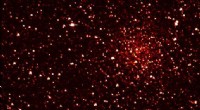
* Stars: Often symbolize hope, guidance, destiny, and the vastness of the universe.
* Planets: Can represent specific qualities or deities (e.g., Mars for war, Venus for love).
* Constellations: Ancient cultures associated patterns of stars with stories, heroes, and mythical creatures.
* Moon: Evokes emotions like mystery, romance, and change.
* Sun: Represents power, energy, life, and rebirth.
* Comets: Often seen as harbingers of change, disaster, or divine intervention.
* Galaxies: Depict the immensity and complexity of the universe.
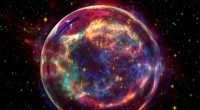
* Nebulae: Suggest dreams, imagination, and the birth of stars.
Functions of Celestial Imagery:
* Symbolism: Celestial objects can be used to represent abstract ideas, emotions, and concepts.
* Metaphor: Comparing human experiences to celestial phenomena can create powerful and evocative imagery.
* Narrative: Celestial events can drive plots, symbolize characters' journeys, or represent significant moments in time.
* Aesthetic: The beauty and grandeur of the night sky inspire awe and wonder.
Examples of Celestial Imagery:
* Art: The starry night paintings of Vincent van Gogh, Renaissance frescoes depicting the heavens.
* Literature: Shakespeare's "Romeo and Juliet" (star-crossed lovers), Dante's "Inferno" (celestial spheres).
* Music: Gustav Holst's "The Planets," classical compositions evoking cosmic themes.
* Architecture: Ancient Egyptian pyramids aligned with stars, Gothic cathedrals reaching towards the sky.
In essence, celestial imagery is a powerful tool for artists and creators to express universal themes, evoke emotions, and connect with the mysteries of the cosmos.