1. Remote Sensing:
* Focus: Gathering data from afar, often using spacecraft orbiting the planet.
* Methods:
* Telescopes: Observe the planet's surface, atmosphere, and moons.
* Spectrometers: Analyze the composition of the planet's surface and atmosphere.
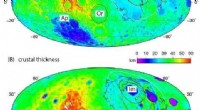
* Radar: Map the planet's surface, penetrating clouds and ice.
* Gravity measurements: Determine the planet's internal structure.
* Outcomes: This stage provides a detailed picture of the planet's physical properties, composition, and potential for life. It also helps identify the most interesting areas for closer investigation.
2. Flyby and Orbital Missions:
* Focus: Closer examination using spacecraft that fly by or orbit the planet.
* Methods:
* Imaging: Capturing high-resolution images of the planet's surface.
* Atmospheric probes: Measuring the composition and temperature of the atmosphere.
* Magnetometer: Studying the planet's magnetic field.
* Surface scans: Analyzing the planet's geology and composition.
* Outcomes: This stage provides more detailed information about the planet's surface, atmosphere, and geological history. It also helps identify potential landing sites for future missions.
3. Surface Exploration:
* Focus: Direct interaction with the planet's surface using landers, rovers, and other surface vehicles.
* Methods:
* Sampling: Collecting samples of rocks, soil, and ice for analysis.
* Drilling: Accessing deeper layers of the planet's surface.
* Seismometers: Studying the planet's internal structure and geological activity.
* Biosignatures: Searching for evidence of past or present life.
* Outcomes: This stage provides the most direct and detailed information about the planet's composition, geology, and potential for life. It also allows for the collection of samples for further study on Earth.
Important Note: These stages are not always sequential. For example, a flyby mission might be used to study a planet before a lander is sent. Additionally, there may be overlap between stages, and a single mission could contribute to multiple stages.