Here's how they formed:
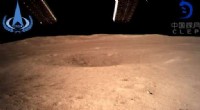
* Impact Craters: The vast majority of lunar craters were formed by impacts from asteroids, meteoroids, and comets. These impacts, happening over billions of years, have left their mark on the Moon's surface.
* Size and Shape: The size of craters ranges from tiny pits to vast basins hundreds of kilometers across. Their shape can vary depending on the angle and speed of the impactor, as well as the composition of the lunar surface.
Key Features of Lunar Craters:
* Rim: The raised edge surrounding the crater.
* Wall: The inner slope of the rim.
* Floor: The flat area at the bottom of the crater.
* Central Peak: Some large craters have a mountain in the center of their floor. This peak is formed from material that rebounded during the impact.
* Ejecta: Material thrown out of the crater during the impact. This can form rays or blankets of debris around the crater.
Other Things to Note:
* No Atmosphere: The Moon has no atmosphere to burn up incoming objects, so even relatively small impacts can leave a lasting mark.
* No Erosion: The Moon's lack of atmosphere and water also means there is very little erosion to wear down craters over time. This is why they're so well-preserved.
So, the "circles" on the Moon are actually the result of a violent history of bombardment, offering a unique glimpse into the early solar system.