1. Characterizing Light Source Properties:
* Color Temperature and Color Rendering: Spectral analysis helps determine the color temperature of a light source, measured in Kelvin (K). This indicates the color appearance of the light, ranging from warm white (around 2700K) to cool white (around 6500K). Analyzing the spectral distribution also reveals the light source's ability to render colors accurately, which is crucial for applications like photography and video.
* Spectral Power Distribution (SPD): Spectral analysis provides the SPD of a light source, showing the intensity of light emitted at different wavelengths. This information is vital for understanding the overall spectral content of the light source, including its peak wavelengths, bandwidth, and color purity.
* Efficiency and Energy Consumption: Spectral analysis helps assess the energy efficiency of light sources. By analyzing the SPD, one can determine the proportion of energy radiated in the visible spectrum versus the infrared and ultraviolet regions.
2. Identifying Light Source Types:
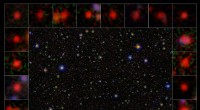
* Identifying Specific Emitting Elements: Spectral analysis can be used to identify the specific elements present in a light source. Each element has a unique spectral signature, allowing for precise identification. This is crucial in applications like astronomy, where analyzing the spectra of stars and galaxies reveals their composition.
* Differentiating Light Sources: Different light sources have distinct spectral characteristics. For example, incandescent bulbs have a broad, continuous spectrum, while fluorescent lamps have a discrete spectrum with sharp peaks. Spectral analysis allows for the accurate identification and differentiation of various light sources.
3. Optimizing Light Source Design:
* Developing New Lighting Technologies: By understanding the spectral characteristics of different light sources, researchers can design more efficient and effective lighting technologies. This includes developing new materials and techniques to manipulate the spectral output of light sources.
* Improving Lighting Quality: Spectral analysis allows for optimizing the spectral distribution of light sources to meet specific needs, such as creating lighting for specific tasks or environments. For example, lighting for retail stores can be optimized for better product visibility and visual appeal.
4. Applications:
* Astronomy: Analyzing the spectral lines of stars and galaxies provides information about their temperature, chemical composition, and motion.
* Lighting Design: Choosing the right light source for different applications, such as retail, healthcare, and industrial settings, requires understanding the spectral characteristics of light sources.
* Material Science: Spectral analysis is used to study the properties of materials and to develop new materials with specific optical characteristics.
* Forensic Science: Analyzing the spectra of evidence, such as paint, fibers, and glass, can help identify the source of the evidence and connect it to a crime scene.
In summary, spectral analysis is an essential tool for understanding and characterizing light sources. It provides valuable information about their properties, allows for accurate identification and differentiation, and helps optimize their design and application.