Academic Institutions:
* Universities: They might teach courses, conduct research, and mentor students in departments like biology, geology, physics, astronomy, and chemistry.
* Research Institutes: Places like NASA's Ames Research Center or the SETI Institute house dedicated astrobiology teams.
Government Agencies:
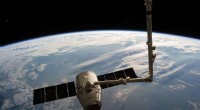
* NASA: The agency is a major player in astrobiology research, with missions like the Mars rovers and the upcoming Europa Clipper mission.
* Other space agencies: Organizations like the European Space Agency (ESA) and the Canadian Space Agency (CSA) also have astrobiology programs.
Private Companies:
* Space exploration companies: Companies like SpaceX, Blue Origin, and Virgin Galactic are pushing the boundaries of space travel, which may open up opportunities for astrobiologists.
* Biotech companies: Astrobiology research can inform developments in fields like synthetic biology and extremophile research.
Beyond Earth:
* Future Space Missions: Astrobiologists might be involved in planning and conducting research on future missions to Mars, Europa, or other celestial bodies.
Other Organizations:
* Museums and Planetariums: Some astrobiologists may engage in outreach and public education.
* Non-profit organizations: Groups dedicated to promoting space exploration and astrobiology research may employ astrobiologists.
Important Note: Astrobiology is a relatively new field, and opportunities may be limited in some areas. However, the growing interest in space exploration and the search for life beyond Earth is creating more opportunities for astrobiologists in various sectors.