* Clouds: Clouds are the most obvious obstacle to stargazing. They block light from reaching your eyes, making it impossible to see stars. Even thin clouds can reduce visibility, especially for fainter stars.
* Light Pollution: While not technically weather, light pollution from cities and towns creates an artificial glow in the sky, obscuring fainter stars. This is worsened by fog or haze.
* Humidity: High humidity can cause the air to be hazy, scattering light and making stars appear dimmer.
* Precipitation: Rain, snow, or hail will completely obscure the view of the stars.
* Wind: Strong winds can cause atmospheric turbulence, making stars appear to twinkle more and reducing clarity.
Ideal conditions for stargazing:
* Clear skies: No clouds at all.
* Low light pollution: Find a location away from city lights.
* Low humidity: Dry air allows for clearer views.
* Calm winds: Minimizes atmospheric turbulence.
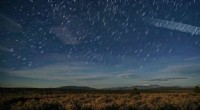
In summary: While weather can dramatically impact star visibility, a clear night with low humidity and minimal light pollution provides the best conditions for observing the stars.