* Early Solar System: When our solar system was forming, it was a swirling cloud of gas and dust. The Sun formed in the center, and the leftover material coalesced into planets.
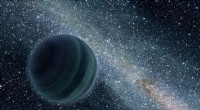
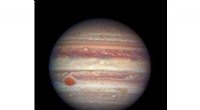
* Gas Giants: Jupiter is a gas giant, meaning it's primarily made up of hydrogen and helium. These are the most common elements in the universe.
* Gravitational Pull: Jupiter's enormous size and mass gave it a strong gravitational pull. This allowed it to attract a huge amount of gas and dust from the protoplanetary disk around the young Sun.
* Early Accretion: Jupiter formed early in the solar system's history, giving it a head start on collecting material. This early accretion meant it had a greater advantage in attracting more material.
* Location: Jupiter's location in the outer solar system, further from the Sun, meant it had a colder environment. This helped it retain its gases, whereas planets closer to the Sun were warmer and lost some of their gas.
In short, Jupiter's size is a result of its composition, its gravitational strength, its early formation, and its position in the solar system.