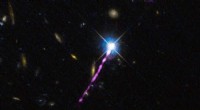
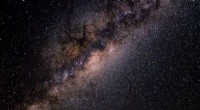
* The Observable Universe: We can only observe the stars within the observable universe, which is the region of space that light has had time to reach us since the Big Bang. This region is finite, but it's incredibly vast.
* Expanding Universe: The universe is expanding, and as it does, regions beyond the current observable universe become observable. This means the number of stars we can potentially see is constantly increasing.
* Dark Matter and Energy: The majority of the universe's mass and energy is made up of dark matter and dark energy, which we can't directly observe. It's possible that these components play a role in the distribution and formation of stars, which could influence the total number.
So, the question of whether the number of stars is infinite is a complex one with no definitive answer:
* Possible Scenarios: It's possible that the universe is infinite, and therefore the number of stars could be infinite. However, even if the universe is finite, its vastness suggests that there could be a staggering number of stars, effectively indistinguishable from infinite for practical purposes.
* More Data Needed: To determine if the number of stars is truly infinite, we would need more knowledge about the universe's ultimate size, shape, and the nature of dark matter and energy.
In conclusion, while we can't say for certain whether the number of stars is infinite, the vastness of the observable universe and the potential for even more to be revealed as it expands strongly suggest that there are an unimaginable number of stars out there.