Here's the story:
* The Story of Andromeda: Andromeda, the daughter of King Cepheus and Queen Cassiopeia of Ethiopia, was a beautiful princess. Cassiopeia, however, boasted that Andromeda was even more beautiful than the Nereids, the sea nymphs. This angered Poseidon, god of the sea, who sent the sea monster Cetus to wreak havoc on Ethiopia. To appease Poseidon and save their kingdom, Cepheus and Cassiopeia chained Andromeda to a rock by the sea as a sacrifice for the monster.
* The Hero Perseus: Perseus, a demigod known for his bravery, was on a quest to slay Medusa, a Gorgon with deadly venomous snakes for hair. While returning, he saw Andromeda chained to the rock and was immediately struck by her beauty. He promised to slay Cetus and free her, and they agreed to marry after the monster was defeated.
* The Battle: Perseus, armed with Medusa's severed head, used its petrifying gaze to turn the monster to stone. The monster, now petrified, became the constellation Cetus.
* The Constellations: This event is commemorated in the night sky with several constellations: Andromeda, Perseus, Cepheus, Cassiopeia, and Cetus.
Other Interpretations:
* Some versions of the myth associate Cetus with the Babylonian sea monster Tiamat.
* Others consider Cetus to be a representation of the sea itself, a primeval monster symbolizing the vastness and danger of the ocean.
Cetus in Astronomy:
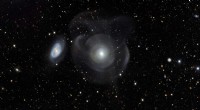
Cetus is a large and prominent constellation in the Southern Hemisphere, visible in autumn in the northern hemisphere. It is home to a variable star known as Mira, one of the first variable stars discovered. The constellation also contains several galaxies, including the spiral galaxy NGC 1055.