Planets with Significant Atmospheres:
* Earth: The most complex atmosphere in our solar system, composed primarily of nitrogen (78%) and oxygen (21%). It's essential for life and protects us from harmful solar radiation.
* Venus: An extremely dense and toxic atmosphere, mostly carbon dioxide (96.5%). This creates a powerful greenhouse effect, resulting in Venus being the hottest planet in our solar system.
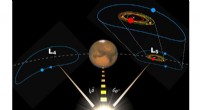
* Mars: A thin atmosphere, primarily carbon dioxide (95%) with some nitrogen and argon. While much thinner than Earth's, it still has weather patterns, albeit very different from our own.
* Jupiter: The largest planet, boasting a thick atmosphere composed mainly of hydrogen (89.8%) and helium (9.9%). Its atmosphere is known for its swirling storms and vibrant colors.
* Saturn: Similar to Jupiter, Saturn's atmosphere is primarily hydrogen and helium. It's known for its spectacular ring system and powerful winds.
* Uranus: A relatively thin atmosphere composed mostly of hydrogen (83%) and helium (15%). It also contains methane, which gives it its distinctive blue color.
* Neptune: Like Uranus, Neptune's atmosphere is primarily hydrogen and helium with methane. It's known for its strong winds and "Great Dark Spot," a massive storm.
Planets with Very Thin or No Atmospheres:
* Mercury: Mercury's atmosphere is extremely thin, barely a trace of gases. This is due to its small size and proximity to the Sun, which cause it to lose any atmospheric gases.
Important Notes:
* Dwarf Planets: Pluto, Eris, and other dwarf planets have thin, very weak atmospheres.
* Moons: Some moons, like Titan (Saturn's moon), have significant atmospheres.
The Bottom Line: All planets in our solar system except Mercury have some kind of atmosphere, even if it's incredibly thin. The composition and density of these atmospheres vary greatly, creating diverse and fascinating environments.