* Shape and Color: The moon appears as a bright, slightly off-white disk in the sky. It's round, but not perfectly so.
* Phases: You can see the different phases of the moon, like the crescent, gibbous, and full moon.
* Dark Patches: You might be able to make out a few large, dark patches on the surface, which are actually vast, ancient volcanic plains.
* Occasional Features: During a full moon, you might glimpse a few brighter spots on the moon's surface, which are likely mountain ranges.
However, you won't be able to see:
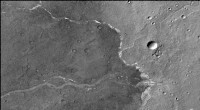
* Craters: These are too small to be resolved by the naked eye.
* Detailed Surface Features: Mountains, valleys, and other intricate features are hidden from our unaided vision.
To see these details, you'll need a telescope or powerful binoculars.