* Ongoing Discovery: Astronomers are constantly finding new moons around outer planets, thanks to improved telescopes and techniques.
* Small Size and Distance: Many moons are small and far from their parent planets, making them incredibly difficult to detect.
* Limitations of Telescopes: Even powerful telescopes have limits to what they can see. Smaller, fainter moons can be missed.
* Unseen Moons: It's very likely there are many moons we haven't yet discovered, particularly smaller ones.
A Quick Look at the Outer Planets:
* Jupiter: Currently, Jupiter has 79 confirmed moons.
* Saturn: Saturn boasts 82 confirmed moons, making it the champion of the Solar System.
* Uranus: Uranus has 27 confirmed moons.
* Neptune: Neptune is home to 14 confirmed moons.
Challenges of Discovery:
* Faintness: Many moons are extremely faint, making them hard to distinguish from background stars.
* Distance: Outer planets are far away, making it even more difficult to observe small moons.
* Orbiting Dust: The dust and debris around some outer planets can obscure the view of faint moons.
Future Discoveries:
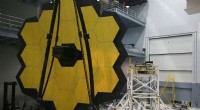
* Next Generation Telescopes: New telescopes like the James Webb Space Telescope will have the capabilities to potentially reveal more distant and fainter moons.
* Adaptive Optics: This technology helps to counteract atmospheric blurring, improving image quality.
So, while astronomers have found a lot of outer planet moons, the search is far from over. The outer solar system holds many mysteries, and the discovery of new moons is just one piece of the puzzle.