Here's how it works:
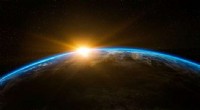
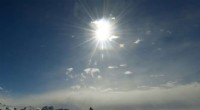
1. Sunlight: The Sun emits a vast amount of light and heat.
2. Reflection: This sunlight reaches the Moon and is reflected off its surface.
3. Observed Light: The reflected sunlight is what we see as moonlight.
The Moon's surface is covered in various materials, including dust, rocks, and craters, which reflect sunlight differently. This is why the Moon can appear to have different shades of brightness and color depending on the angle of sunlight and the surface material.
Key Points:
* The Moon doesn't produce light, it reflects sunlight.
* The intensity and color of moonlight depend on the Moon's phase, the angle of sunlight, and the surface materials.
* The Moon's light is significantly weaker than sunlight.