1. Refraction: As sunlight travels through the atmosphere, it bends due to the varying density of air. This bending, called refraction, is more pronounced at lower angles, like when the sun is near the horizon. This bending makes the sun appear higher in the sky than it actually is.
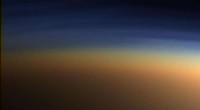
2. Atmospheric Scattering: The atmosphere scatters sunlight, meaning the light waves are deflected in different directions. Blue light scatters more easily than other colors, which is why the sky appears blue. During sunset, however, the light has to travel through more atmosphere to reach our eyes. This means most of the blue light is scattered away, leaving the longer wavelengths of red and orange to reach us.
3. Distortion near the Horizon: When the sun is close to the horizon, the light rays pass through layers of air with different temperatures and densities. This creates a "lens-like" effect, causing the sun to appear flattened or elongated.
4. Mirage: The heat from the ground can create a mirage effect, where the sun appears to be reflected off the ground or water. This is also a type of refraction, but caused by temperature differences in the air.
5. Illusion of Size: The sun itself doesn't actually change size, but the way our brain perceives it does. When the sun is low on the horizon, our brains tend to compare it to objects on the ground, making it appear larger than when it's high in the sky.
In summary: The distorted look of the sun during sunset is a combination of refraction, scattering, and our brain's perception. This creates the iconic reddish-orange hue and the illusion of a larger, flattened sun, adding to the beauty of this daily spectacle.