Here's a simplified breakdown of the process:
1. Design and Construction: Scientists and engineers design and build satellites specifically for their purpose. This includes choosing the right materials, components (like solar panels, antennas, sensors), and shape for its function.
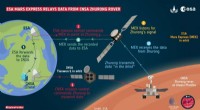
2. Launching: Satellites are launched into space on top of powerful rockets. These rockets lift the satellite above Earth's atmosphere and propel it into its designated orbit.
3. Deployment: Once in space, the satellite separates from the rocket and deploys its components (like solar panels) to begin operating.
4. Orbit: Satellites travel around Earth in a predetermined path called an orbit. This orbit can be close to Earth or far out, depending on its purpose.
Types of Satellites:
Satellites can be categorized based on their function:
* Communication satellites: Enable communication around the globe, like phone calls and internet.
* Navigation satellites: Help us determine location and time, like GPS.
* Earth observation satellites: Monitor the planet's environment, weather, and resources.
* Scientific satellites: Conduct research on space and other celestial bodies.
In short, satellites are human-made tools designed to perform specific tasks in space, and they are not naturally formed.