* Comparative Planetology: Studying other planets helps us understand the processes that shape atmospheres. By comparing Earth's atmosphere to those of other planets, we can gain insights into how atmospheres form, evolve, and change over time. For example, comparing Earth's atmosphere to Mars's thin atmosphere helps us understand the factors that contribute to atmospheric loss and the role of geological processes in shaping atmospheres.
* Understanding Earth's Unique Features: Studying other planets helps us appreciate the unique features of Earth's atmosphere. Earth's atmosphere is incredibly complex and contains a diverse range of gases, including oxygen, nitrogen, and carbon dioxide. By studying other planets, we can identify the processes that led to Earth's unique atmospheric composition and the factors that make Earth habitable.
* Climate Change Insights: Studying other planets with different atmospheric compositions and climates helps us better understand the effects of climate change on Earth. For example, Venus has a runaway greenhouse effect, which has led to extremely high surface temperatures. Studying Venus can help us understand the potential consequences of continued greenhouse gas emissions on Earth.
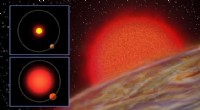
* Exoplanet Research: As we discover more exoplanets, studying other planets helps us understand the diversity of planetary atmospheres and the conditions that might support life. This knowledge can be used to guide future searches for habitable planets beyond our solar system.
* Testing Climate Models: Studying other planets with different atmospheric compositions and climates allows us to test the accuracy of climate models. This is important for predicting the future of Earth's climate and developing strategies for mitigating climate change.
In summary, studying other planets is essential for understanding Earth's atmosphere and its unique features. By comparing Earth to other planets, we gain valuable insights into how atmospheres form, evolve, and change over time. This knowledge is crucial for understanding the complex processes that shape our planet and for predicting the future of our climate.