1. Seasons: The Earth's axis is tilted at 23.5 degrees. This tilt, combined with the Earth's orbit, causes different parts of the Earth to receive varying amounts of sunlight throughout the year. This leads to the four seasons: spring, summer, autumn, and winter.
2. Day and Night: The Earth rotates on its axis, and it takes approximately 24 hours to complete one full rotation. This rotation causes one side of the Earth to face the Sun (daytime) while the other side faces away from the Sun (nighttime).
3. Year: It takes the Earth approximately 365.25 days to complete one full orbit around the Sun. This is why we have a year.
4. Climate Patterns: The Earth's orbit and tilt influence global climate patterns. The amount of solar radiation received by different regions of the Earth varies throughout the year due to the Earth's position in its orbit. This variation in solar radiation contributes to differences in temperature and precipitation patterns across the globe.
5. Lunar Cycles: The Earth's orbit around the Sun influences the lunar cycle. The Moon orbits the Earth, and the Earth's position in its orbit around the Sun affects the relative positions of the Sun, Earth, and Moon. This results in different phases of the Moon that we see from Earth.
6. Tides: The gravitational pull of the Sun and Moon on Earth's oceans causes tides. While the Sun's influence on tides is weaker than the Moon's, it still plays a role. The Earth's orbit around the Sun affects the relative positions of the Sun, Earth, and Moon, influencing the intensity and timing of tides.
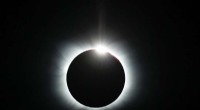
7. Solar Eclipses: During a solar eclipse, the Moon passes between the Sun and Earth, blocking the Sun's light from reaching Earth. This occurs because the Earth is orbiting the Sun and the Moon is orbiting the Earth.
8. Other Phenomena: The Earth's orbit around the Sun also affects various other astronomical phenomena, including the apparent movement of stars and the timing of meteor showers.
In summary, the Earth's orbit around the Sun is a fundamental aspect of our planet's existence, driving the seasons, day and night, and various other important phenomena.