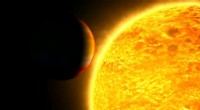
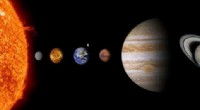
* Nuclear Fusion: The Sun's core is incredibly hot and dense. This allows nuclear fusion to occur, where hydrogen atoms combine to form helium, releasing massive amounts of energy in the process.
* Electromagnetic Radiation: This energy is released in the form of electromagnetic radiation, which travels at the speed of light. This radiation includes:
* Visible light: What we see as sunlight.
* Infrared radiation: We feel this as heat.
* Ultraviolet radiation: This can be harmful in large doses.
* Sunlight: Earth intercepts a small portion of this radiation, which is what makes life possible on our planet. This energy drives:
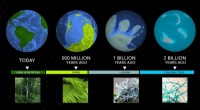
* Photosynthesis: Plants use sunlight to convert carbon dioxide and water into food, releasing oxygen in the process.
* Climate and weather: The uneven heating of Earth's surface by sunlight creates weather patterns and drives climate change.
* Ocean currents: Sunlight warms the surface of the ocean, leading to ocean currents that distribute heat around the globe.
So, it's not that the Sun is "radiating" Earth specifically, but rather that Earth is receiving a small portion of the immense amount of energy the Sun radiates into space.