1. Supernova Explosions:
* When massive stars reach the end of their lives, they explode in a spectacular event called a supernova.
* The explosion blasts out the star's outer layers into space at incredible speeds, creating shockwaves that compress and heat the surrounding gas and dust, causing them to glow.
* This compressed material forms a nebula, often with intricate and beautiful structures.
2. Stellar Winds:
* Even stars that don't explode as supernovas still have a powerful outflow of material called stellar wind.
* These winds can push and sculpt the interstellar medium (the gas and dust between stars), creating nebulas.
3. Gravitational Collapse:
* Gravity can pull together clouds of gas and dust over time, causing them to collapse and form new stars.
* During this process, some of the material may be ejected, creating a nebula around the forming stars.
4. Collisions Between Galaxies:
* When galaxies collide, their gases and dust can mix and interact, creating shockwaves and triggering star formation.
* This can lead to the creation of large and spectacular nebulas.
5. Ionization:
* Some nebulas are ionized, meaning their atoms have lost an electron.
* This happens when ultraviolet radiation from nearby stars energizes the gas, causing it to glow.
Examples of Nebulae:
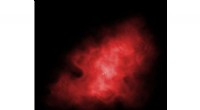
* The Crab Nebula: A supernova remnant formed by the explosion of a star in 1054 AD.
* The Orion Nebula: A giant cloud of gas and dust where stars are being born.
* The Eagle Nebula: A star-forming region known for its pillars of gas and dust.
Note: These processes are interconnected. For example, a supernova can trigger the collapse of other gas clouds, leading to the formation of new stars and nebulas.