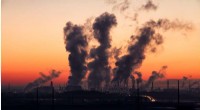
1. Moisture: There must be water vapor in the air. This moisture can come from sources like evaporation from bodies of water, transpiration from plants, or even human activities like industrial processes.
2. Cooling: The air containing the moisture must cool down to its dew point. This is the temperature at which the air can no longer hold all of its water vapor, and it condenses into tiny water droplets or ice crystals. Cooling can occur through various processes like:
* Adiabatic cooling: As air rises, it expands and cools due to lower air pressure.
* Contact cooling: Warm air moving over a colder surface can cool down.
* Radiative cooling: Air loses heat by radiating energy into space, especially at night.
These two conditions working together lead to the formation of clouds.