1. Galaxy: Galaxies are vast collections of stars, gas, dust, and dark matter. They are the largest structures in the universe that are bound by gravity.
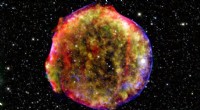
2. Nebula: Nebulas are giant clouds of gas and dust, often forming the birthplace of stars. They are smaller than galaxies but still incredibly large.
3. Constellation: Constellations are patterns of stars that appear close together in the sky from our perspective on Earth. They are groupings of stars within a galaxy, but they are not physical objects themselves.
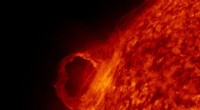
4. Star: Stars are giant balls of hot gas that produce light and heat through nuclear fusion. They are much smaller than galaxies and nebulas.
5. Planet: Planets are celestial bodies that orbit stars and do not emit their own light. They are significantly smaller than stars.
6. Moon: Moons are natural satellites that orbit planets. They are smaller than planets.
Important Note: While the above order is generally accurate, there are some exceptions:
* Supergiant stars: Some stars, particularly red giants and supergiants, can be larger than small nebulas.
* Dwarf galaxies: Some galaxies are much smaller than large nebulas.
* The Universe: The universe itself is larger than a galaxy but is not an object in the traditional sense.
Let me know if you have any other questions!