1. Compression and Heating:
* Gravity relentlessly pulls inward, squeezing the star's core. This compression forces atoms closer together, increasing the density.
* The compression also generates heat. Think of it like a bicycle pump – squeezing air into a smaller space makes it hotter.
2. Nuclear Fusion Ignition:
* At a critical point, the core becomes incredibly hot and dense. This is where the magic of nuclear fusion begins.
* The nuclei of atoms, primarily hydrogen, are forced together with such immense energy that they overcome their natural repulsion. They fuse, forming helium and releasing a tremendous amount of energy.
3. Energy Output and Stellar Equilibrium:
* The energy released from nuclear fusion creates outward pressure, counteracting the inward pull of gravity. This creates a delicate balance, known as hydrostatic equilibrium.
* The star shines brightly, radiating the energy produced by fusion into space.
4. Continued Evolution and Changes:
* As the star continues to burn its fuel, its composition changes. Hydrogen is gradually depleted, and heavier elements like helium accumulate.
* Depending on the star's mass, it will undergo different stages of evolution, eventually reaching a stage where it can no longer sustain nuclear fusion.
5. Final Stages and Stellar Death:
* Stars will eventually run out of fuel, leading to different fates:
* Smaller stars like our Sun will become red giants, then white dwarfs.
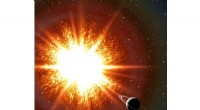
* Massive stars will explode as supernovae, leaving behind neutron stars or black holes.
Key Points to Remember:
* Gravity is the driving force behind stellar evolution: It triggers the compression, fusion, and eventual death of stars.
* Nuclear fusion is the source of a star's energy: It releases immense amounts of energy that power the star's luminosity and counteract gravity.
* Stellar evolution is a continuous process: Stars change over time as they consume their fuel, creating a diverse range of stellar objects.
Understanding how gravity affects matter within a star is crucial for comprehending the lifecycle of stars, the origin of elements, and the evolution of the Universe.