1. Launch Vehicle:
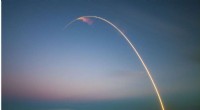
* Rocket: Astronauts ride inside a rocket, a powerful machine that burns fuel to produce thrust and propel the spacecraft upwards.
* Types of Rockets:
* Saturn V: The powerful rocket that launched the Apollo missions to the moon.
* Space Launch System (SLS): NASA's new heavy-lift rocket designed for deep space exploration, including future missions to the moon and Mars.
* Falcon 9: A reusable rocket developed by SpaceX that has launched numerous missions to the International Space Station and beyond.
2. Spacecraft:
* Capsule: For missions like the Apollo lunar missions and the early missions to the International Space Station, astronauts travel in a capsule. It's essentially a small, pressurized vessel where they live and work during the flight.
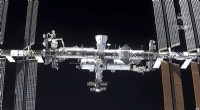
* Space Shuttle: A reusable spacecraft that was used for transporting astronauts and supplies to and from the International Space Station. (The Space Shuttle program was retired in 2011.)
* Crew Dragon: SpaceX's spacecraft that is used to transport astronauts to the International Space Station.
* Orion: NASA's spacecraft designed for deep space missions, including lunar and Martian exploration.
3. The Journey:
* Launch: The rocket lifts the spacecraft into orbit around Earth. This requires immense thrust and precision, as it needs to reach a certain speed and altitude.
* Orbit: Once in orbit, the spacecraft circles Earth at a constant speed.
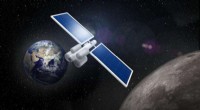
* Translunar Injection: For lunar missions, the spacecraft needs to be "kicked" out of Earth orbit towards the moon. This is achieved by firing the spacecraft's engines.
* Lunar Orbit: Once near the moon, the spacecraft enters lunar orbit.
* Landing: For missions that require a landing on the lunar surface, the spacecraft uses descent engines to softly touch down.
Key Factors for a Successful Mission:
* Precise Calculations: The journey requires highly accurate calculations to ensure the spacecraft reaches its destination safely and efficiently.
* Engine Efficiency: Powerful, reliable engines are crucial for the spacecraft to reach escape velocity and perform maneuvers.
* Life Support Systems: Astronauts rely on life support systems to provide them with breathable air, water, and temperature regulation during their mission.
The Future of Space Travel:
* Reusable Rockets: Technologies like SpaceX's Falcon 9 and Starship are making space travel more cost-effective and sustainable.
* Private Space Companies: Companies like SpaceX, Blue Origin, and Virgin Galactic are developing new ways to access space, making it more accessible for both astronauts and tourists.
* Exploration of Mars: Future missions aim to send astronauts to Mars, which will require significant advancements in spacecraft design, propulsion, and life support systems.