1. Find a Dark Location:
* Light Pollution is your enemy! The Milky Way is faint and easily drowned out by city lights. You need to get away from urban areas and find a spot with minimal light pollution.
* Use Light Pollution Maps: Websites like DarkSiteFinder.com can help you locate dark sky locations near you.
* Consider National Parks: Many national parks are dedicated to preserving dark skies and offer excellent Milky Way viewing opportunities.
2. Timing is Key:
* Seasonality: The Milky Way is visible during specific seasons, depending on your location. For the Northern Hemisphere, the best viewing period is typically from late summer to early fall.
* Moon Phase: Avoid nights with a full moon, as its brightness will obscure the Milky Way. New moon nights are ideal.
* Time of Night: The Milky Way appears highest in the sky around midnight, but you'll want to start observing about an hour or two before then.
3. Adjust Your Eyes:
* Give Your Eyes Time to Adjust: Once you're at your dark location, let your eyes adapt to the darkness for at least 20 minutes.
* Avoid Using Bright Lights: Even the light from a phone screen can ruin your night vision. Use a red light flashlight if you need to see.
4. Look South (Northern Hemisphere) / North (Southern Hemisphere):
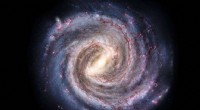
* Finding the Milky Way: It appears as a hazy band of light across the sky.
* Use Star Charts: There are plenty of apps and websites that can help you locate the Milky Way based on your location and time of year.
5. Tips for Viewing:
* Dress Warmly: Nights can get cold, even in summer.
* Bring a Blanket or Chair: It's comfortable to lie back and enjoy the view.
* Be Patient: It takes time for your eyes to adjust, and the Milky Way might not appear immediately.
Important Note: Weather plays a crucial role in viewing the Milky Way. Clear skies and minimal humidity are essential for a good view.