1. Mercury:
* Roman origin: Named after the swift messenger of the Roman gods, Mercury. This choice reflects the planet's rapid orbit around the Sun.
2. Venus:
* Roman origin: Named after the Roman goddess of love and beauty, Venus. This is likely due to the planet's bright appearance in the sky.
3. Earth:
* Anglo-Saxon origin: The name "Earth" is derived from the Old English word "eorþe," meaning "ground." This reflects our planet's solid surface.
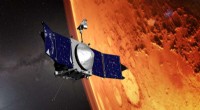
4. Mars:
* Roman origin: Named after the Roman god of war, Mars. The reddish color of the planet, likely due to iron oxide, inspired this connection to war and bloodshed.
5. Jupiter:
* Roman origin: Named after the king of the Roman gods, Jupiter. The planet's immense size and prominent features made it seem like a powerful celestial object.
6. Saturn:
* Roman origin: Named after the Roman god of agriculture, Saturn. This connection might be due to the planet's rings, which resemble a crown or a sickle used for harvesting.
7. Uranus:
* Greek origin: Named after the Greek god of the sky, Uranus. This planet was discovered in 1781, and its discoverer, William Herschel, wanted to name it after King George III. However, the astronomical community adopted the name "Uranus," proposed by Johann Bode.
8. Neptune:
* Roman origin: Named after the Roman god of the sea, Neptune. This planet was discovered in 1846, and its blue color likely inspired this name.
Important Notes:
* Ancient civilizations: The names of the planets come from ancient Roman and Greek mythology. These names were already established long before the planets were scientifically understood.
* Other cultures: Different cultures have their own names for the planets. For example, the Chinese name for Mars translates to "fire star."
* Planet names are not unique: It's worth noting that some planets have multiple names in different cultures and throughout history.