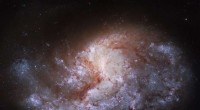
* Light Travel Time: The light from stars takes time to reach us. Even the closest stars are so far away that the light we see from them left them many years ago. This means we are looking into the past.
* Star Lifespan: Stars have different lifespans depending on their size and mass. Larger stars burn hotter and faster, so they have shorter lifespans. Smaller stars burn cooler and slower, lasting for billions of years.
* Death of a Star: When a star dies, it can go out in a spectacular supernova explosion or slowly fade away as a white dwarf. This process can take a long time.
* Distance: We can only see stars that are close enough for their light to reach us. The vast majority of the stars we see are relatively young and still burning.
However, it's possible that some of the stars we see are actually dead:
* Supernova Remnants: We can see the remnants of supernova explosions as nebulae, which are clouds of gas and dust. These remnants can still emit light for centuries or even millennia after the star's death.
* White Dwarfs: These are the dense remnants of dead stars. While they don't shine as brightly as stars, some of them can still be seen with telescopes.
So, while we can't give a specific number, it's safe to say that most of the stars we see are alive, but a small percentage of them could be dead stars or remnants of dead stars.